


🐘Is Elephant Riding Ethical in India? Better Alternatives for Responsible Travelers
India is known for its rich culture, vibrant festivals, and incredible wildlife. Among the most iconic experiences is elephant riding, especially in places like Jaipur. However, in recent years, many travelers have started asking an important question:
👉 Is elephant riding ethical in India?
Let’s explore the reality behind this activity and discover better, responsible alternatives for conscious travelers.
🐘 The Reality of Elephant Riding in India
While elephant rides may seem like a once-in-a-lifetime experience, the truth behind them is often concerning.
❌ 1. Harsh Training Methods
Elephants used for rides are often subjected to a process called “phajaan” (crushing their spirit). This involves:
- Physical punishment
- Isolation
- Fear-based training
This process breaks the elephant’s natural instincts, making them obedient to humans.
❌ 2. Poor Living Conditions
Many elephants used in tourism:
- Are kept in chains for long hours
- Face extreme weather conditions
- Do not receive proper medical care
❌ 3. Physical Stress & Injury
Elephants are not naturally built to carry heavy loads for long periods. Continuous rides can lead to:
- Spine injuries
- Foot problems
- Chronic pain
🌍 Growing Awareness & Responsible Tourism
Organizations like World Animal Protection und People for the Ethical Treatment of Animals (PETA) have actively campaigned against elephant rides.
Today, many travelers are choosing ethical wildlife experiences over exploitative tourism.
🌿 Ethical Alternatives to Elephant Riding
If you still want to experience elephants in India, here are some responsible and meaningful alternatives:
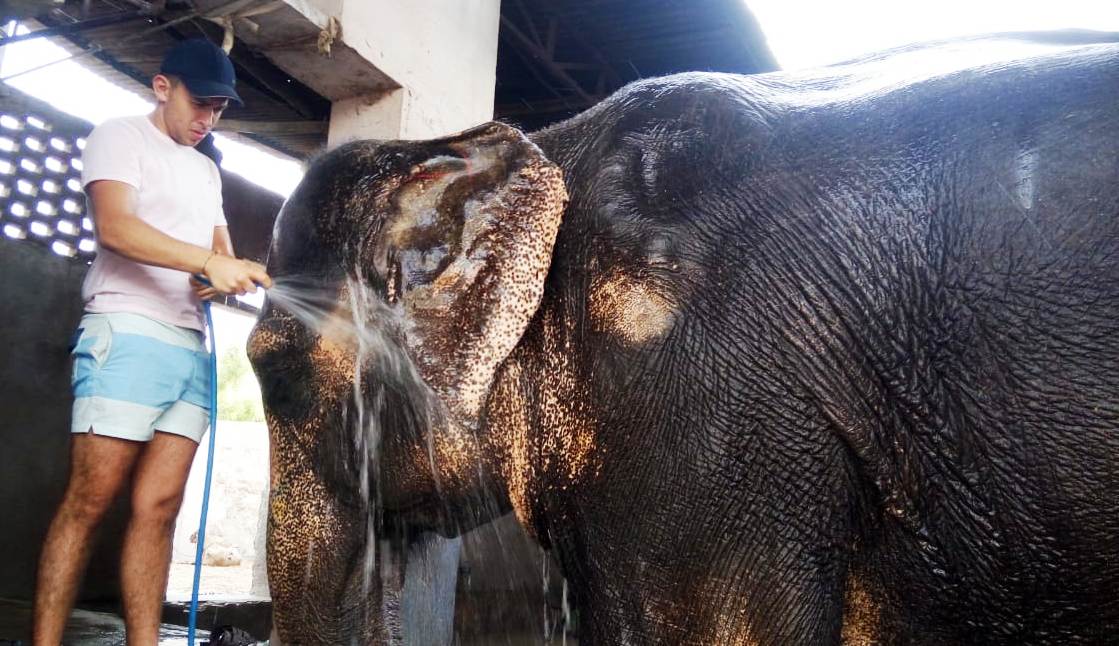
🐘 1. Ethical Elephant Experience in Jaipur
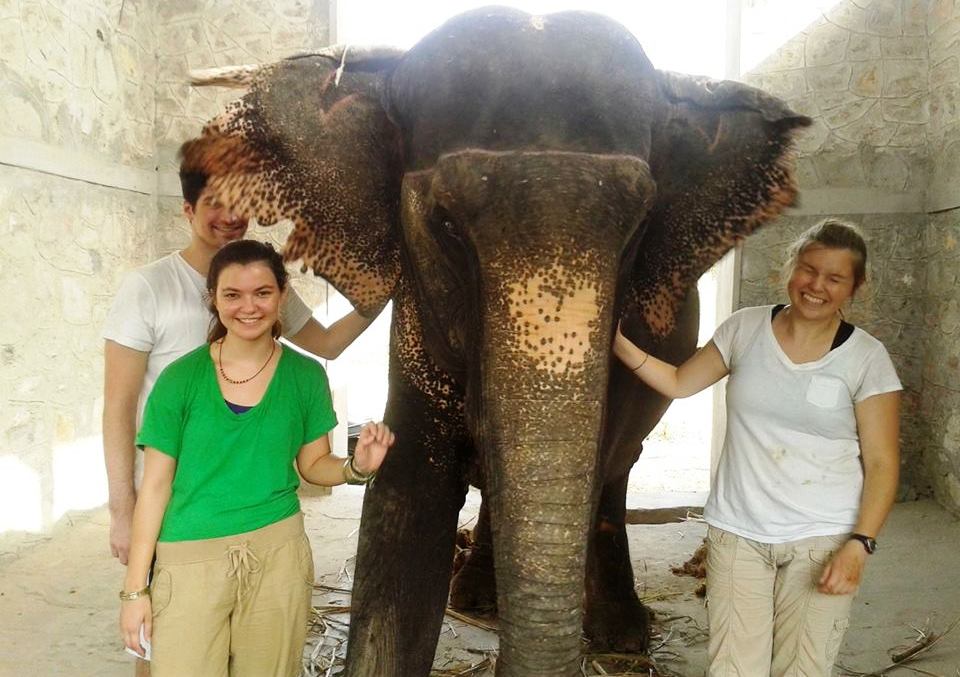
If you’re looking for a responsible way to experience elephants, you can explore this ethical elephant experience in Jaipur.
Popular ethical sanctuaries include:
- Elephant Nature Park (global example of ethical tourism)
- Wildlife SOS Elephant Conservation and Care Center
Here, you can:
- Feed elephants
- Watch them roam freely
- Learn about conservation
🌱 2. Volunteer with Animal Welfare Programs
Joining a volunteer program allows you to contribute directly to animal care and conservation.
Bei Freiwilligenarbeit in Indien, you can:
- Support ethical tourism
- Educate local communities
- Promote wildlife conservation
📸 3. Observe, Don’t Ride
Enjoy elephants responsibly by:
- Taking photos from a distance
- Watching them in natural habitats
- Respecting their space
🚶 4. Explore Heritage Sites Without Animal Rides
Instead of elephant rides at forts like Amber Fort, you can:
For a more ethical and immersive experience, consider joining a responsible elephant tour in Jaipur.
- Walk up the fort
- Take a jeep ride
- Enjoy guided cultural tours
🌏 Why Ethical Travel Matters
Responsible travel ensures that:
- Animals are not exploited
- Local communities benefit fairly
- Natural ecosystems are preserved
Instead of elephant rides, many travelers now prefer visiting an elephant sanctuary in India where animal welfare, ethical care, and conservation are prioritized.
As a traveler, your choices have a direct impact.
💚 Final Thoughts
So, is elephant riding ethical in India?
👉 The answer is no in most cases due to the suffering involved.
But the good news is—you have better options. By choosing ethical alternatives, you can still enjoy unforgettable experiences while making a positive difference.
🙌 Travel Responsibly with Volunteering With India
Bei Freiwilligenarbeit in Indien, we encourage travelers to:
- Respect wildlife
- Support ethical tourism
- Engage in meaningful volunteer programs
✨ Be a responsible traveler—choose compassion over convenience.